What is Smart Lighting? Widespread Applications of Smart Lighting
Release Time:2020-07-28 11:10:01 Browse:18times Responsible Editor:Qingdao Huarui Zhichuang Technology Co., Ltd.
Today, with the advancement of technology in China, lighting creates an irreplaceable comfortable environment for us. Lighting also serves a vital function in industrial environments. However, its proportion of total energy consumption keeps rising, even doubling within large enterprises. This has led to the adoption of smart lighting systems in everyday life.

Smart lighting refers to a distributed wireless telemetry, remote control and remote signalling system that integrates technologies such as computers, wireless data transmission, spread-spectrum power line carrier communication, computer-based intelligent information processing and energy-saving electrical control. It delivers functions including light brightness regulation, soft light start, timer control and scene setting, and meets predefined performance specifications.
Smart lighting can be divided into two categories: urban lighting and residential lighting.
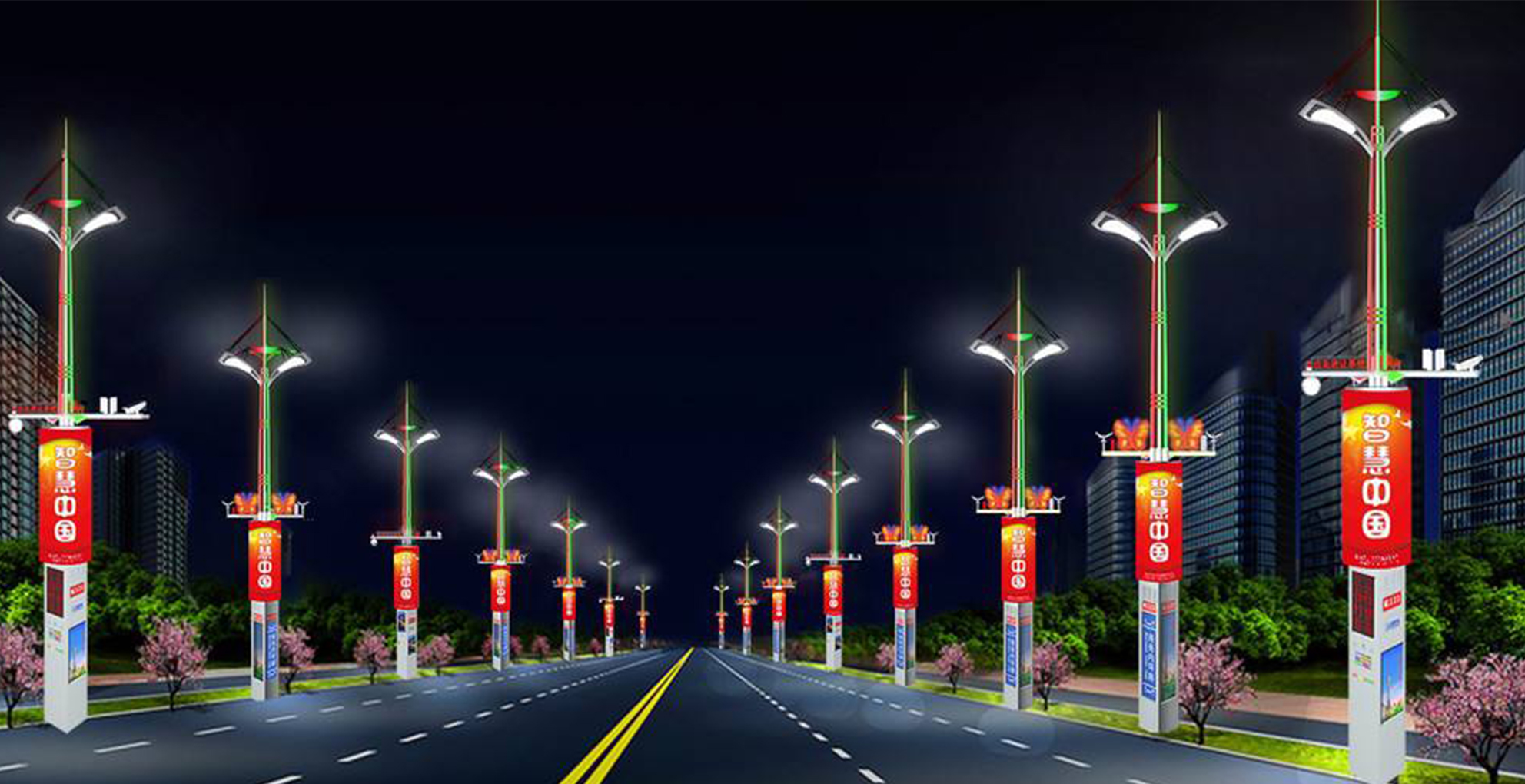
一. Urban Smart Lighting System As a core subsystem of smart cities, the urban smart lighting system adopts multiple IoT and IT technologies including wireless Zigbee, Wi‑Fi and GPRS. It enables remote control functions such as individual lamp on/off, dimming and status monitoring. The platform consolidates lighting systems for street lamps, tunnel lights, landscape lights, commercial lighting, school and government facility lighting, and manages all of them through a unified platform. This is an open system with reserved interfaces for various access methods, which can be further developed into a smart city cloud-based system.
System Features:
1. Circuit control, cabinet door open alarm and water immersion alarm;
2. Monitoring of circuit current, voltage, power factor, electric energy and more;
3. Individual lamp on/off switching and dimming;
4. Monitoring of individual lamp current, voltage, power factor, energy consumption and temperature;
5. Automatic on/off and dimming of luminaires based on weather conditions and actual illuminance;
6. Flexible lighting group management and precise control of each luminaire;
7. On-site management
8. Preset management
9. Automatic power on/off operations on a daily basis. Separate automatic scheduling for weekdays and holidays. Power devices can be managed by zone, by circuit, or individually;
10. Integrated wireless meter reading function, laying a foundation for energy consumption management;
11. Monitor luminaire on/off status and brightness to substantially extend effective service life, reduce replacement frequency, conserve resources and lower harmful gas emissions;
二.Residential Smart Lighting Smart lighting is an important component within the smart home ecosystem. As smartphones and tablets grow increasingly prevalent, smart lighting has become more accessible to everyday consumers. A wide range of products including smart bulbs, smart lamp bases and smart control boxes have been introduced. Smart bulbs first unlocked the magic of scene lighting for ordinary households, ushering in a new era of low-power, eco-friendly, dimmable and color-tunable residential lighting.