
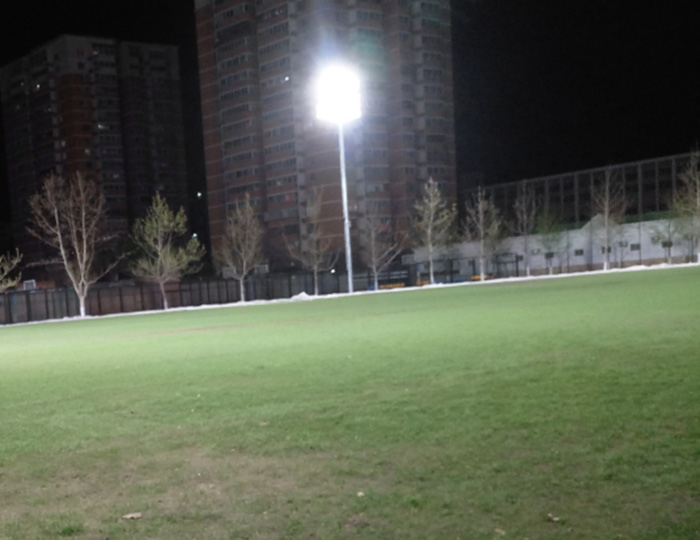
These days, with the rise of the smart era and all kinds of smart devices and systems coming out, people who love stylish, seamless living can't get enough of them. As a core part of a smart city, an urban smart lighting system uses all sorts of IoT and IT technologies—like wireless Zigbee, WiFi, and GPRS—to let you control things remotely: turn individual lights on and off, dim them, monitor them, and so on. So, is smart lighting actually any good? And what exactly is smart lighting? Today, someone from Huarui Zhichuang is here to walk us through it. 1. What exactly is smart lighting? It uses computers, wireless data transmission, spread-spectrum power line carrier communication, and intelligent computer-based information processing...
More
Today, cities simply can't function without smart products. Smart lighting is now common in many public spaces, largely because smart lighting module technology has matured and is therefore so widely adopted. It has brought enormous convenience to both society and daily life. We're all familiar with smart lighting, but few people understand how well its modules actually perform. Today, someone from Huarui Zhichuang is here to explain. A smart lighting module provides centralized control for a building's lighting circuits, enabling timed, automatic, and human-centered control of the lighting throughout the building...
More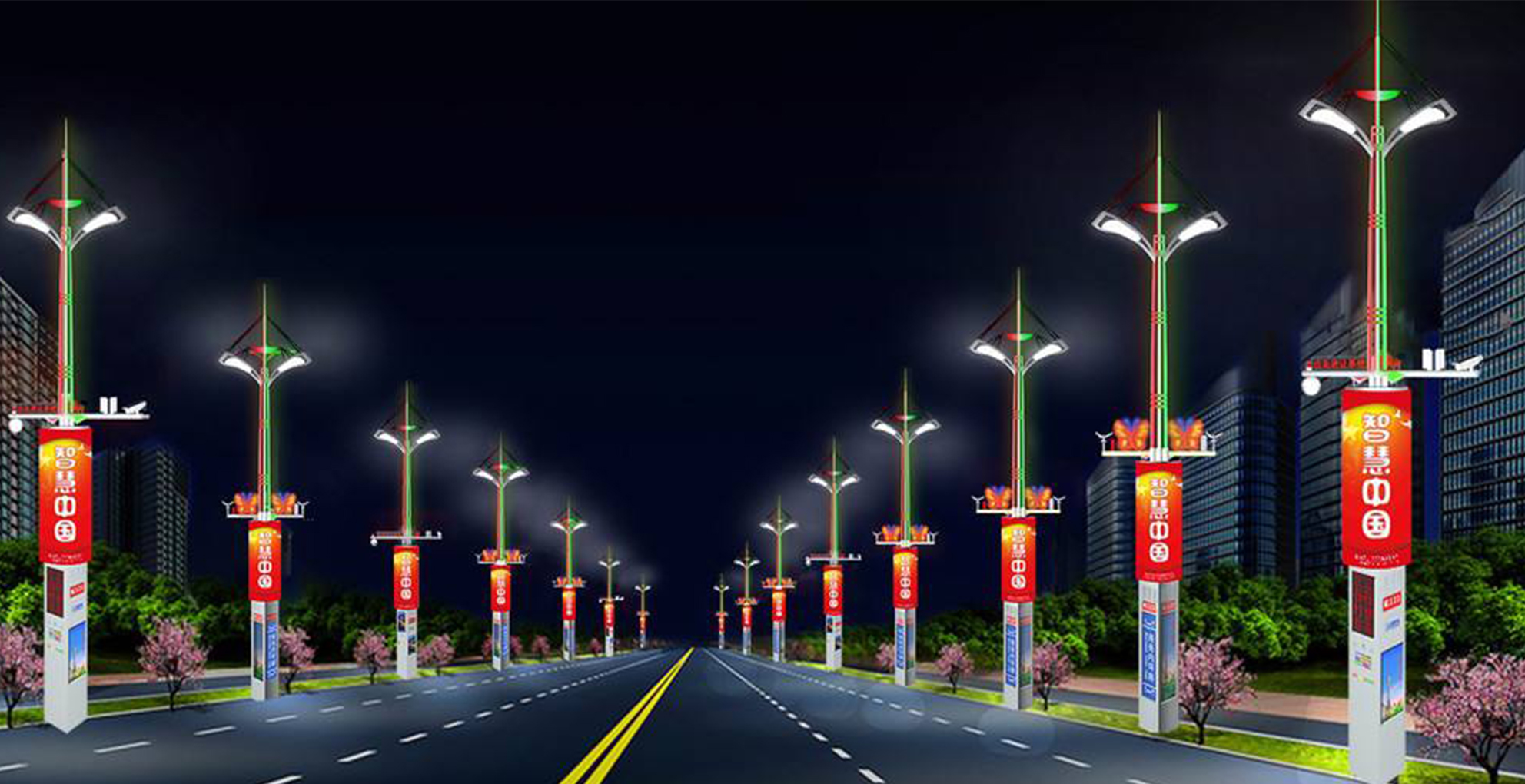
Smart lighting control systems are not only quick and easy to install—they also save energy for property owners and for society, while helping protect the environment. So what exactly does energy saving mean in a smart lighting control system? Today, someone from Huarui Zhichuang is here to explain. 1. It reduces waste. In modern high-rise office buildings, wasted lighting energy is a serious issue—lights often stay on whether a room is occupied or not. A smart lighting control system enables both distributed control and centralized management. From the building's central control room, operators can switch off the lights in unoccupied rooms with a few keystrokes.
More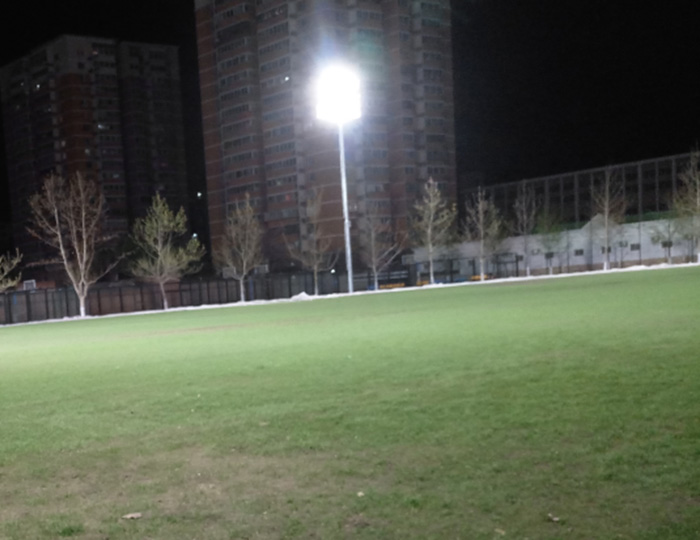
The desire for light is instinctive in humans. The invention of the electric light truly broke the habit of working at sunrise and resting at sunset—thanks to lighting, nightlife became far more vibrant. As science and technology advanced and society progressed, people began to expect more from their lighting. No more fumbling for a switch in the dark. Light should adjust to the ideal brightness to protect your eyesight. And you shouldn't waste time because you forgot to turn the lights off when you went out... Smart home lighting can meet all of these needs.
More
Office Address:No. 3178, Heilongjiang Middle Road, Licang District, Qingdao City, Shandong Province
Factory Address:No. 57, Shuyun East Road, Xiazhuang Subdistrict, Chengyang District, Qingdao City