
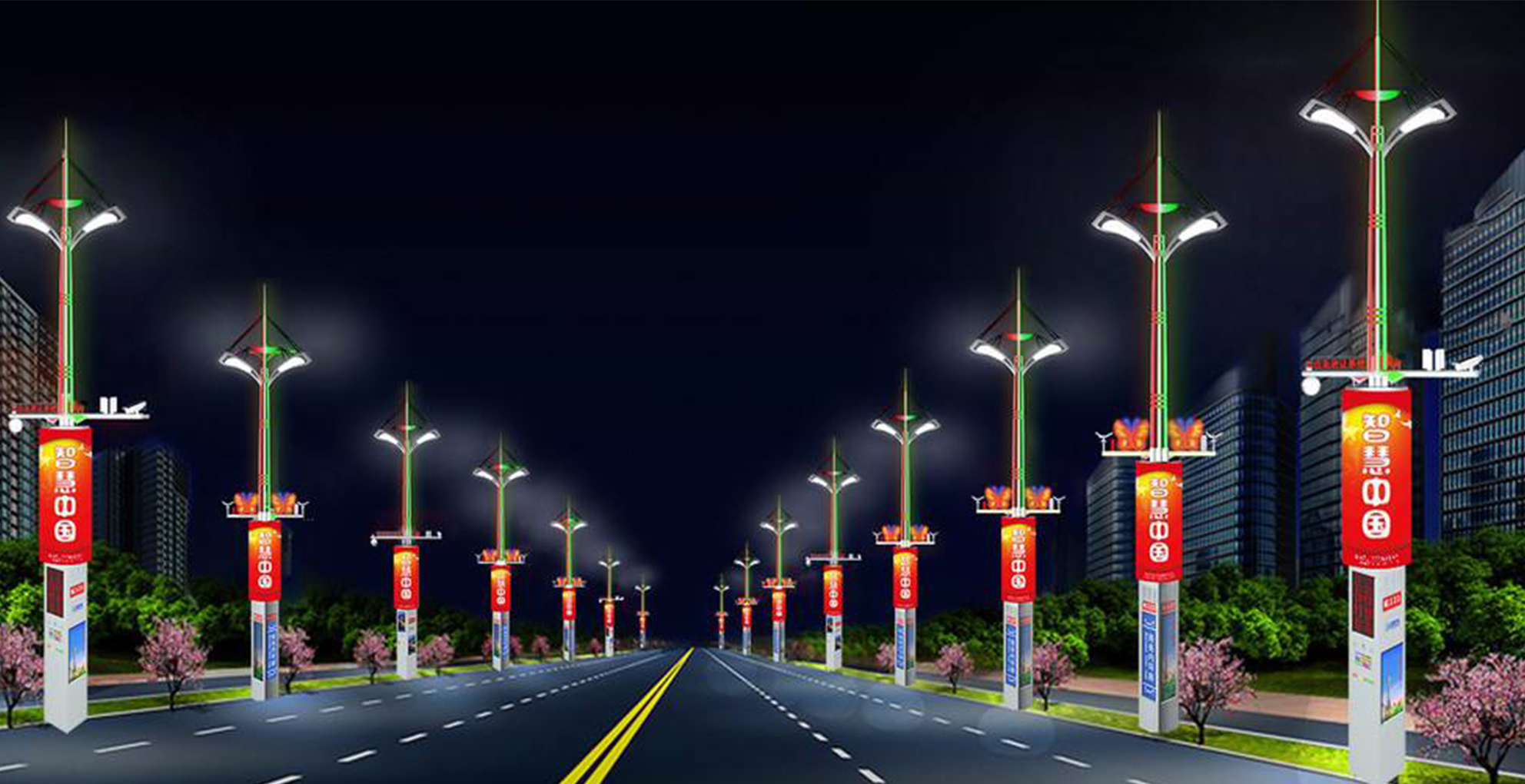
As living standards gradually improve, the lighting we use so frequently in daily life is constantly evolving. Homes are getting larger, and traditional lighting is increasingly unable to meet people's lighting needs—which is why smart home lighting control systems have emerged. So what are the differences between smart lighting and traditional lighting? Today, someone from Shenzhen Huapu is here to explain.
More
A smart lighting system adopts advanced electromagnetic voltage regulation and electronic‑sensor technologies. It mitigates rated power consumption caused by unbalanced loads in lighting circuits, improves the power factor, reduces the operating temperature of lamps and wiring, and achieves optimized power supply. It is a lighting control system. So what are the features and performance advantages of smart lighting systems? The staff from Huarui Zhichuang Company will give you an introduction below: ## Main Features of the Smart Lighting System: 1. The system enables continuous dimming or on‑off control for any circuit loop. 2. Scene control: Multiple distinct scenes can be pre‑configured, with fade‑in and fade‑out effects during scene switching. 3. Compatible with connection to various sensors…
More
When a smart lighting system is adjusted, light intensity and color can affect our mood. With the same interior finishes, different lighting conditions change how we perceive indoor comfort. The lighting levels set by the garage lighting system more or less shape people’s first impressions of a space. Meanwhile, unlike the inflexible nature of traditional lighting, garage lighting allows flexible control and real-time status monitoring of indoor switches. Users can operate the system remotely via mobile devices even when away from home. Let’s analyze the benefits of the smart control panel series based on the function of each room: As our private space, the bedroom is where we unwind after work and rest…
More
Currently, smart lighting systems use two energy-saving approaches. The first protects light sources and extends their service life through proper on/off control, which significantly reduces power waste to save energy. The second adjusts light brightness by regulating the voltage of light sources. It matches the emitted light to ambient lighting, maximizes the use of natural daylight, and cuts electricity consumption. **1. Proper On/Off Control of Light Sources** With carefully configured trigger conditions, the smart lighting system can automatically turn lights on or off based on time and surrounding environmental conditions (brightness, occupancy, etc.), ensuring lighting operates only when needed.
More
Office Address:No. 3178, Heilongjiang Middle Road, Licang District, Qingdao City, Shandong Province
Factory Address:No. 57, Shuyun East Road, Xiazhuang Subdistrict, Chengyang District, Qingdao City