
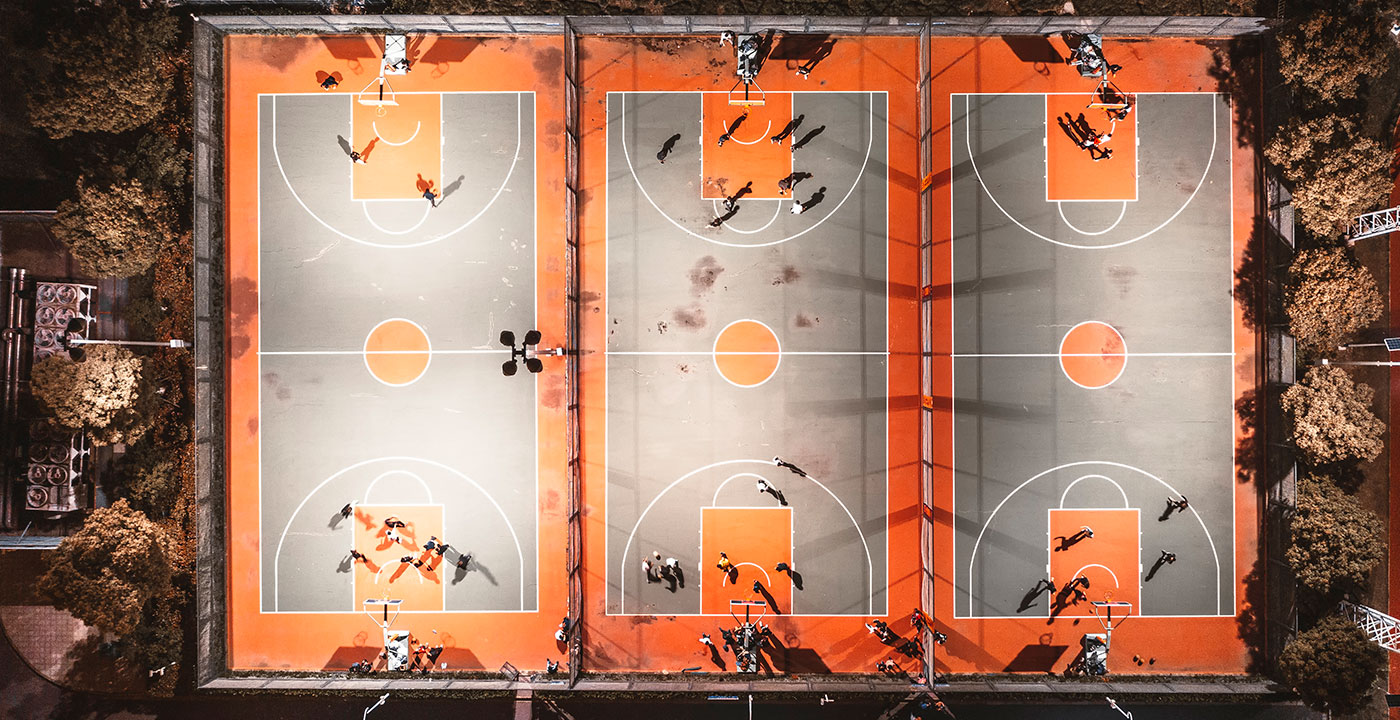
With the application of architectural lighting, intelligent systems represent projects with high system integration. They demand strong technical integration and compatibility, and cover a wide range of fields. As one widely used solution, intelligent lighting systems are often incorporated into building automation systems. Intelligent automatic lighting control systems not only save energy, reduce maintenance costs and improve lighting quality, but also enable intelligent lighting control in buildings. However, intelligent lighting control systems are only one part of building control systems. How, then, can we distinguish between intelligent lighting systems and building automation systems? In the design of lighting systems for existing intelligent buildings, traditional practices are generally still adopted...
More
The use of turn signals, low beam and high beam headlights is already familiar to every driver. But how should ships use lights while navigating on the vast ocean? Today, with the continuous maturity of LED technology — especially in thermal management, luminous efficacy improvement and optical control — LED projection lights have expanded from commercial applications to specialized fields such as industry and marine engineering. They are widely used for industrial safety identification, including marking, warning, signaling and guidance. Huarui Zhichuang, with 12 years of focus on intelligent lighting solutions as well as the R&D and manufacturing of related products, deeply understands that compared with general civil and commercial lighting industry...
More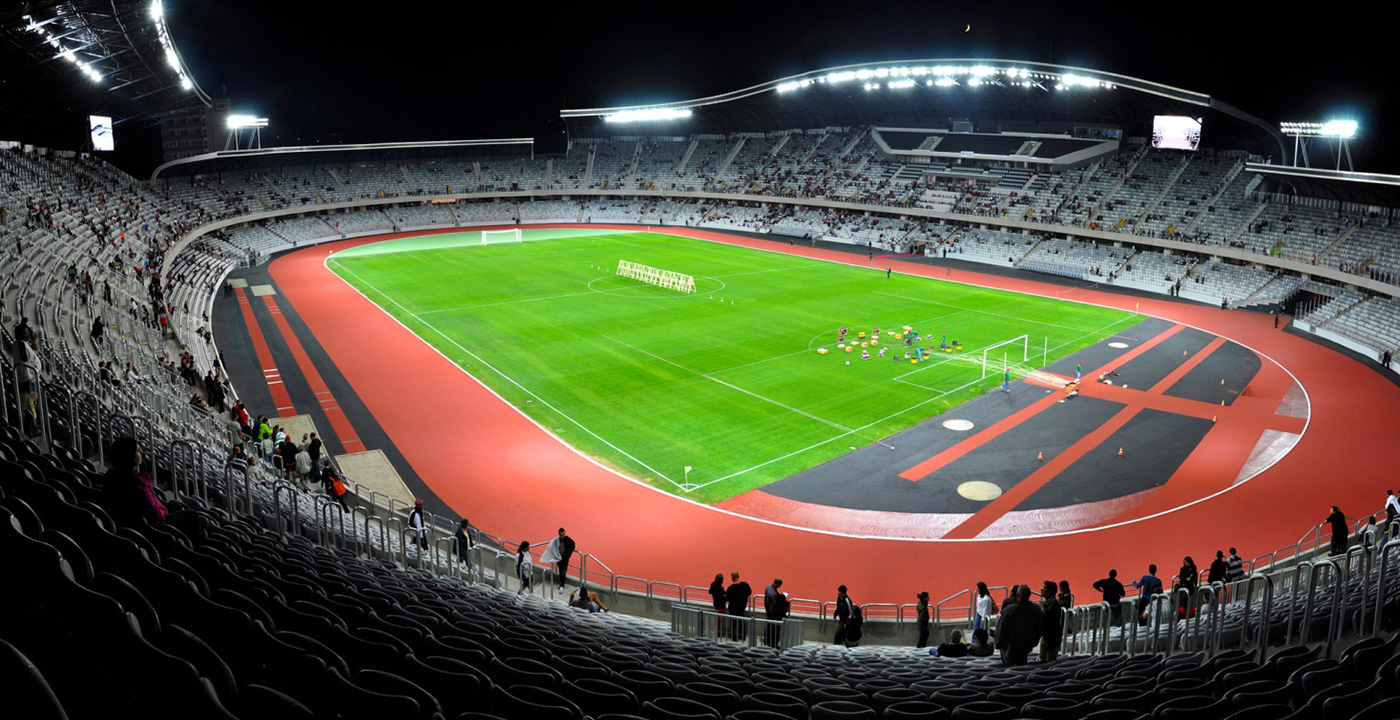
An intelligent lighting control system essentially controls lighting based on the function of a given area, the time of day, outdoor brightness, or the purpose of the area. Most importantly, it supports presetting — in other words, it can adjust lighting brightness to a series of predefined levels. These settings, also known as scenes, can be automatically activated by a dimming system or a central building control system.
More
With the continuous improvement of people’s living standards, there is a growing demand for better working and living environments, and correspondingly higher requirements for intelligent lighting systems. Energy consumption in the field of intelligent lighting accounts for a large proportion of total energy use, making energy conservation and the improvement of lighting quality an urgent task. As an important part of overall power consumption, intelligent lighting accounts for approximately 10% of total electricity use. With the rapid development of China’s national economy and the steady improvement of people’s living standards, electricity consumption for intelligent lighting will continue to rise, indicating a very promising future. The analysis of its application potential is as follows:
More
Office Address:No. 3178, Heilongjiang Middle Road, Licang District, Qingdao City, Shandong Province
Factory Address:No. 57, Shuyun East Road, Xiazhuang Subdistrict, Chengyang District, Qingdao City